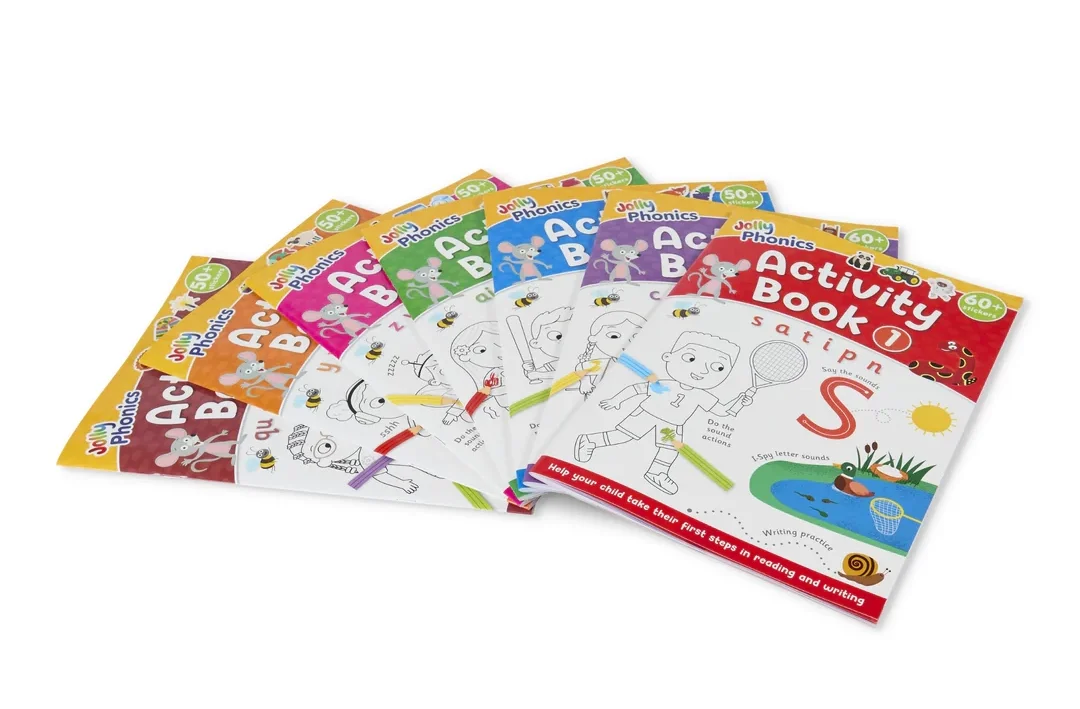
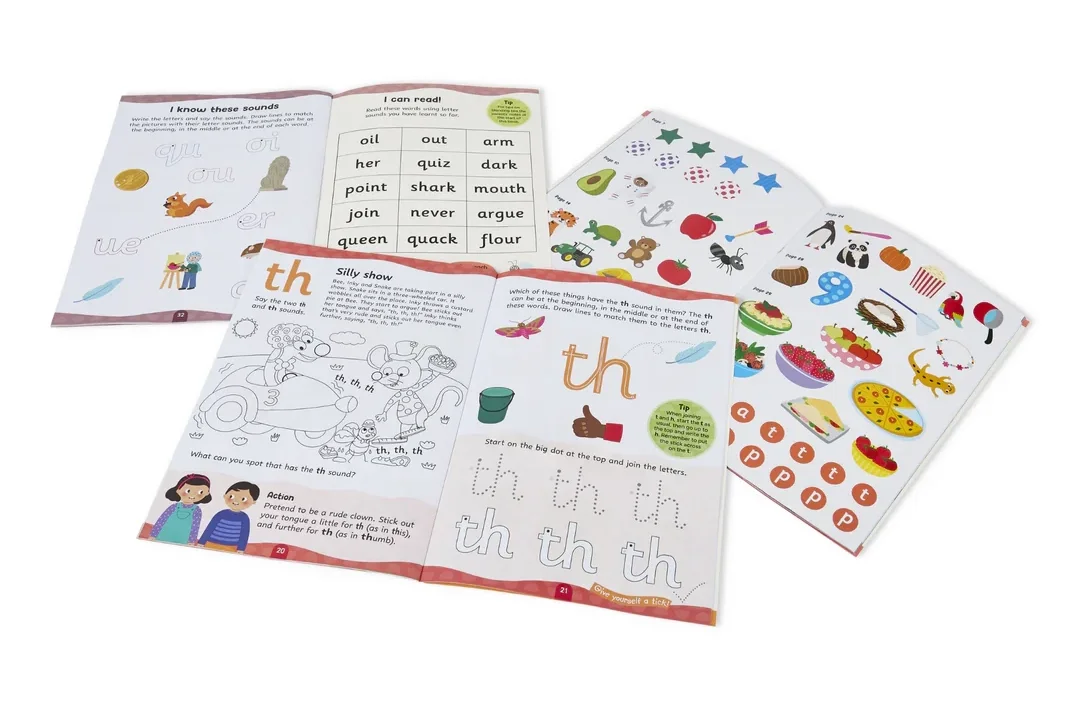
Breathing new life into old books: a publisher–freelance collaboration
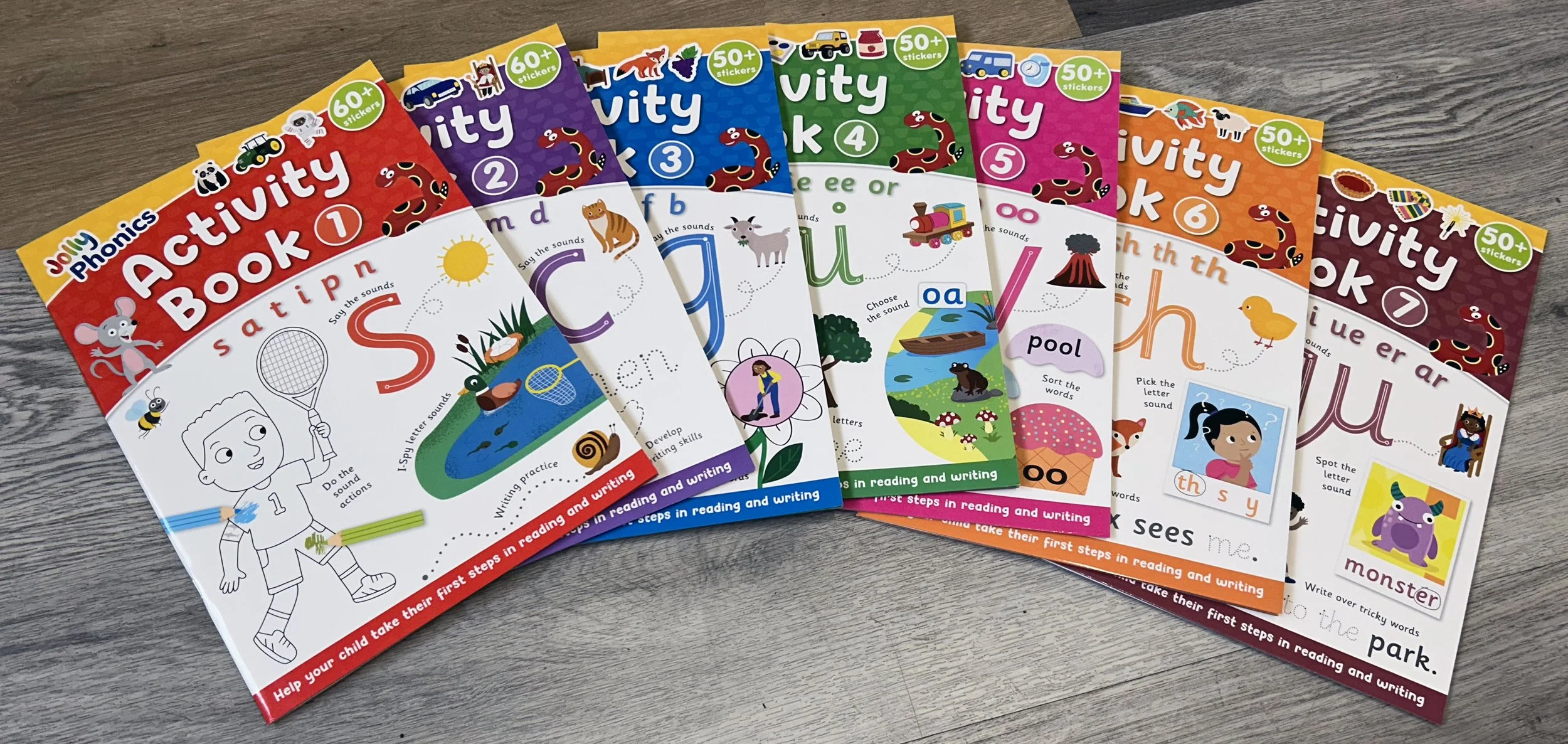
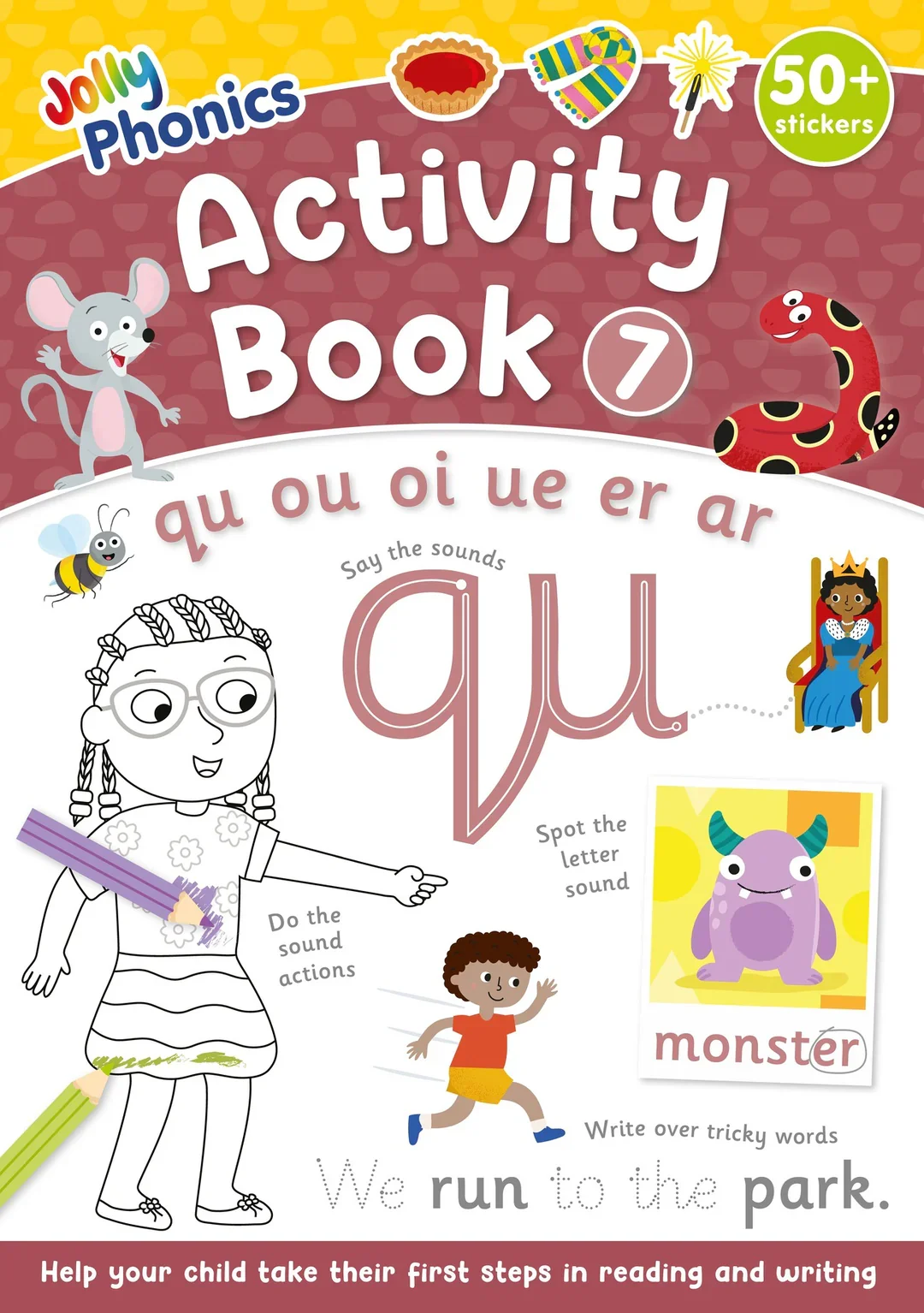
Jolly Phonics Activity Books, published by Jolly Learning, 2026. Produced by Gingerbread Moon Creative. See the link at the end to buy copies.
At the end of 2024, Gingerbread Moon Creative (GMC) was contacted by Jolly Learning, an expert children’s educational publisher specialising in literacy and phonics. Would our editors and designers be interested in a new project to redesign, reimagine and recommission a seven-book series of phonics activities? Of course, we said yes! The original series, first published in 2010, guides young children through the early stages of reading and writing, and each book introduces a new set of letter sounds through short stories, activities and multisensory elements such as stickers, simple crafts and actions. As children progress through the books, they learn to recognise and say the letter sounds, and begin to blend them to make words.
The existing series was very successful, but needed a full revamp by experienced editors and designers to appeal to a new generation of children, parents and teachers.
In the first week of January 2025, the GMC team met with Jolly Learning at their Buckhurst Hill offices for a productive and exciting meeting, followed by a highly convivial pub lunch! GMC was given a brief that included some non-negotiables, such as keeping the three main characters – Inky the mouse, Snake and Bee – who guide children through the books, as well as other areas where we had more freedom to introduce new ideas. Based on this, we drafted an agreement outlining the scope of work.
Once the agreement was signed, the GMC team began scheduling and conducting market research while seeking the best children’s illustrators to breathe new life into the series and bring it up to date. As an experienced team of freelance editors and designers who have also worked together in-house, everything clicked quickly into place, and we began work. We were also briefed to produce US editions once the UK books were final.
In total, we had 14 children’s phonics books to produce, and the following stages give an overview of the production process – from detailed scheduling to the delivery of print-ready files.
1. Scheduling
Both the editors and designers for GMC have extensive experience working on multi-book series, which can be like herding unruly cats – difficult to keep track of! This series in particular needed a highly detailed schedule covering every aspect of the project. As we were working with external contributors (artists and an extra children’s book designer), we allowed as much time as possible for page layouts and artwork to be completed, circulated and corrected.
We scheduled contingency time for potential problems and allocated plenty of approval stages for the publisher and the original authors, who are phonics experts.
The initial schedule gave us six months to produce 14 books, but as prototyping and production progressed, it became clear this was not enough time. We undertook a rigorous prototyping process, compiling feedback from multiple stakeholders, and it took time to reach approval on the new design and editorial features. So, we negotiated additional time with the publisher, and the entire project took nine months to complete, culminating in print-ready files. The series was split across three children’s editors, with a fourth editor working on inclusivity and Americanisation. The lion’s share of the design work was completed by GMC’s designer, Jo, who employed an external freelance designer to help with later titles.
2. Market research
As phonics is a popular topic covered by a plethora of children’s book publishers, one of the first things we did was drill down to find out who was publishing what. The editors and designers each focus on different things, so we all put time into this stage. This became an important part of our prototyping and helped Jolly Learning make decisions about artwork style, cover ideas – even content updates. Market research can be time-consuming, but it always pays dividends.
The GMC team is used to finding reliable sources to gauge tone and pitch, and, most importantly, we know how much time to allow for market research, as it can become overwhelming.
3. Prototyping and artist research
This is an exciting stage of the production process. Ideas come to life, and the pages begin to take shape visually. One editor took the lead, working with our designer to create a handful of spreads covering the books’ main features and submitted options for page design, fonts and activities. Part of this process involved choosing artists, and GMC put forward a selection of children’s illustrators we were confident could create engaging content.
We chose to collaborate with Advocate Art illustration agency because we had worked closely with their brilliant agents before, so we trusted them and knew they could accommodate the tight schedule.
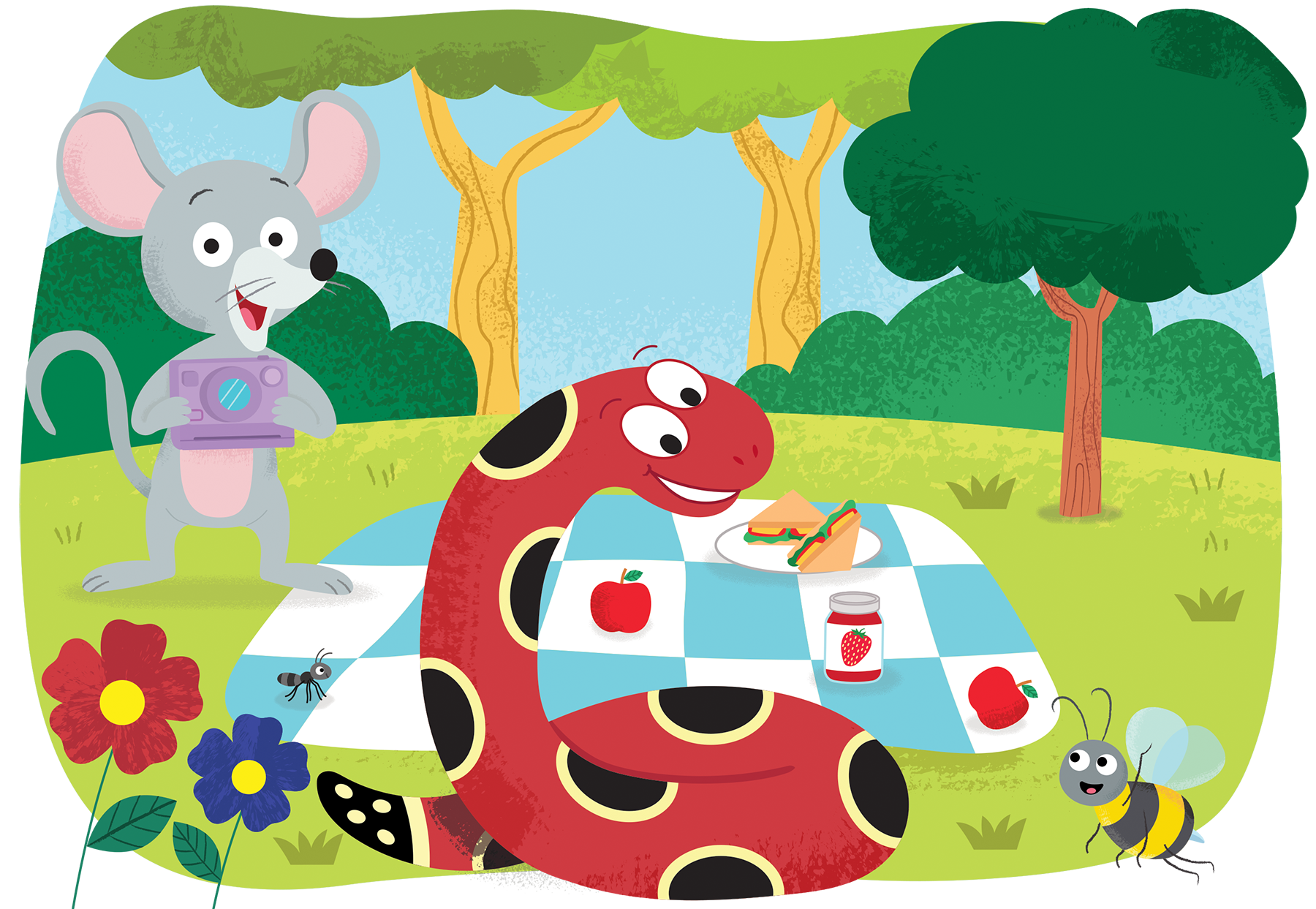
We picked three artists whose bright, colourful styles complemented each other, and each was assigned specific elements of a book to illustrate, such as stories/activities and scenes/cut-to-white objects, across all seven titles. This approach worked well and helped the artists establish their workflow. The three talented artists we commissioned were Kevin Payne, Alice Potter, and Betania Zacarias, who all completed test pieces first, which was especially important for establishing the correct style for the three main characters.

4. Editorial planning and text updates
Planning helps an editor become immersed in a project. During planning for this series, the GMC editors developed new ideas for activities, stickers and writing practices that could be used across all seven books. These ideas formed the basis for page layouts, once approved by Jolly Learning. Once the first two detailed book plans were approved, the remaining five followed quickly. The GMC editors also carefully reviewed the existing text for potential updates and tweaks, making changes as necessary. Being a phonics series, it was crucial that we did this in close conjunction with the Jolly Learning authors and editors, so we kept to their protocols and editorial house style.
Every book was checked for inclusivity by Claire, a GMC editor with extensive knowledge and experience in this area.
5. Page design
With planning complete and updates approved, we pushed forward with design. The staggered schedule enabled the GMC designer, Jo, to work across multiple books, and once all seven titles were up and running, a second designer was brought on board to keep the later titles on track. Files were set up with templates and style sheets, enabling the design team to work quickly and efficiently. This included allowing for a format change in the US editions, so it was crucial that the files worked for both markets, especially during the artwork commissioning process. The first two books were taken to the first layout stage to help iron out potential problems.
The GMC team is skilled at picture research, and chose references for the artists to follow that clearly set out our vision. This made artwork commissioning simple and formulaic, which was essential, as we were about to commission more than 1,000 illustrations!
6. Artwork commissioning
Taking time to set up the files correctly made a huge difference at this stage. Artwork commissioning was straightforward – the main task was to ensure the sheer volume of artwork didn’t overwhelm the team or the artists.
Every commissioned artwork had a simple brief and file code, and the briefs were added directly to the layouts, with extra references if required. We also commissioned US-specific artwork where required. The artists had a clear overview of the entire book, allowing them to see each other’s commissions and giving them a good feel for the content. Once the first couple of titles were briefed, the artists established a consistent workflow that helped the project run super smoothly. They also went straight to artwork, skipping the pencil stage, which helped save time. We scheduled three stages to enable Jolly Learning to see the illustrations as first, revised and final artwork.
7. Layout stages
This was a design challenge because all seven books were running concurrently (to meet the schedule), but all were at different layout stages. Every book went through first, second and final layouts, and each stage was submitted to the Jolly Learning team for feedback. Once artwork began to come in, it was downloaded, imported and prepared for approval. With seven books in full swing, it was essential that we kept a careful track of every stage.
The GMC team worked directly with Advocate Art and the artists, returning comments, requesting corrections and feeding revised layouts to the client.
Layouts were also sent to the Jolly Learning authors for approval of the text, and once this was approved, we moved on to the Americanisation stage. All GMC editors are experienced at Americanising text. For this series, one editor was responsible for all the Americanisation, and she worked directly in the InDesign files, which were set up with a text black layer.
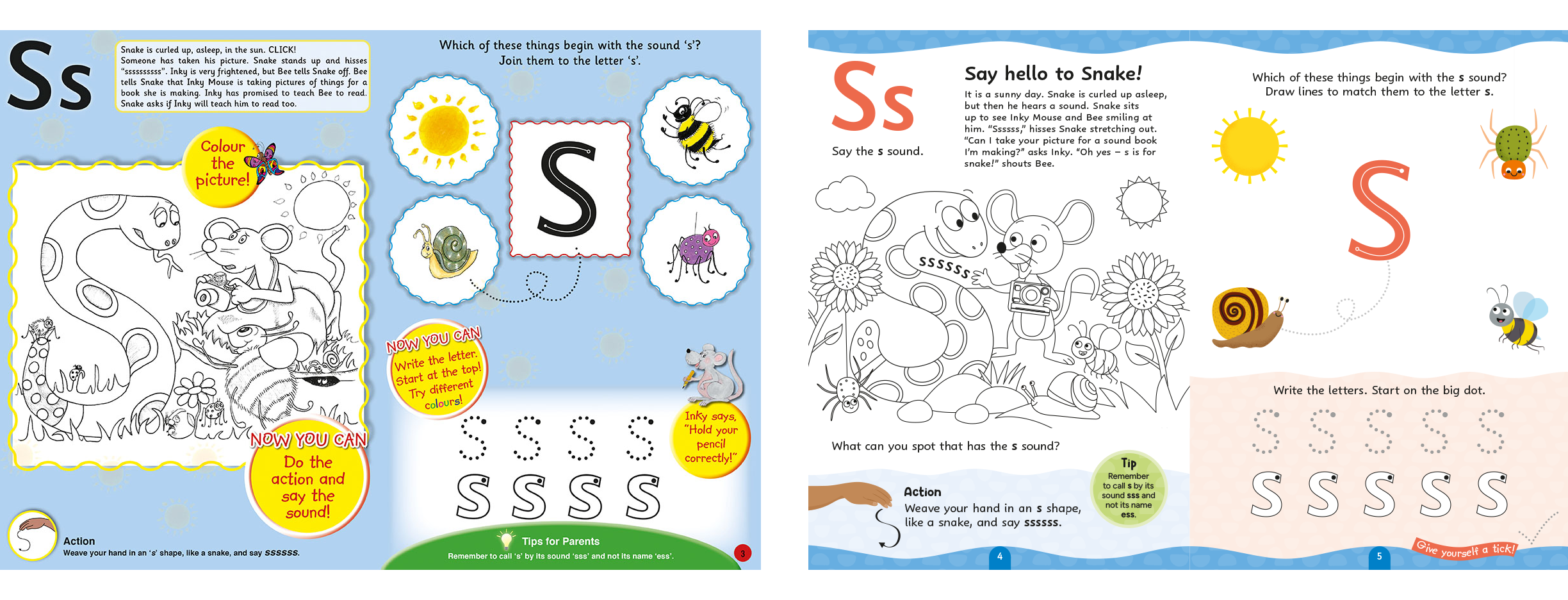
The old design (left) was replaced with a lighter, brighter, modern version (right) that elevated the content for a new generation of readers.
8. Print-ready PDFs
One by one, each book had all its artwork, text and layouts approved, and reached the final PDF stage. Lead designer Jo created print-ready PDFs for all seven UK books, including stickers and cutter guides. Once the UK files were approved, they were duplicated and reformatted for the US books, with updated fonts and alternative US-specific artwork where required.
PDFs were checked by the GMC editors and the Jolly Learning team, and Jo worked directly with the printer in China to ensure all printing guidelines were followed.
9. Covers
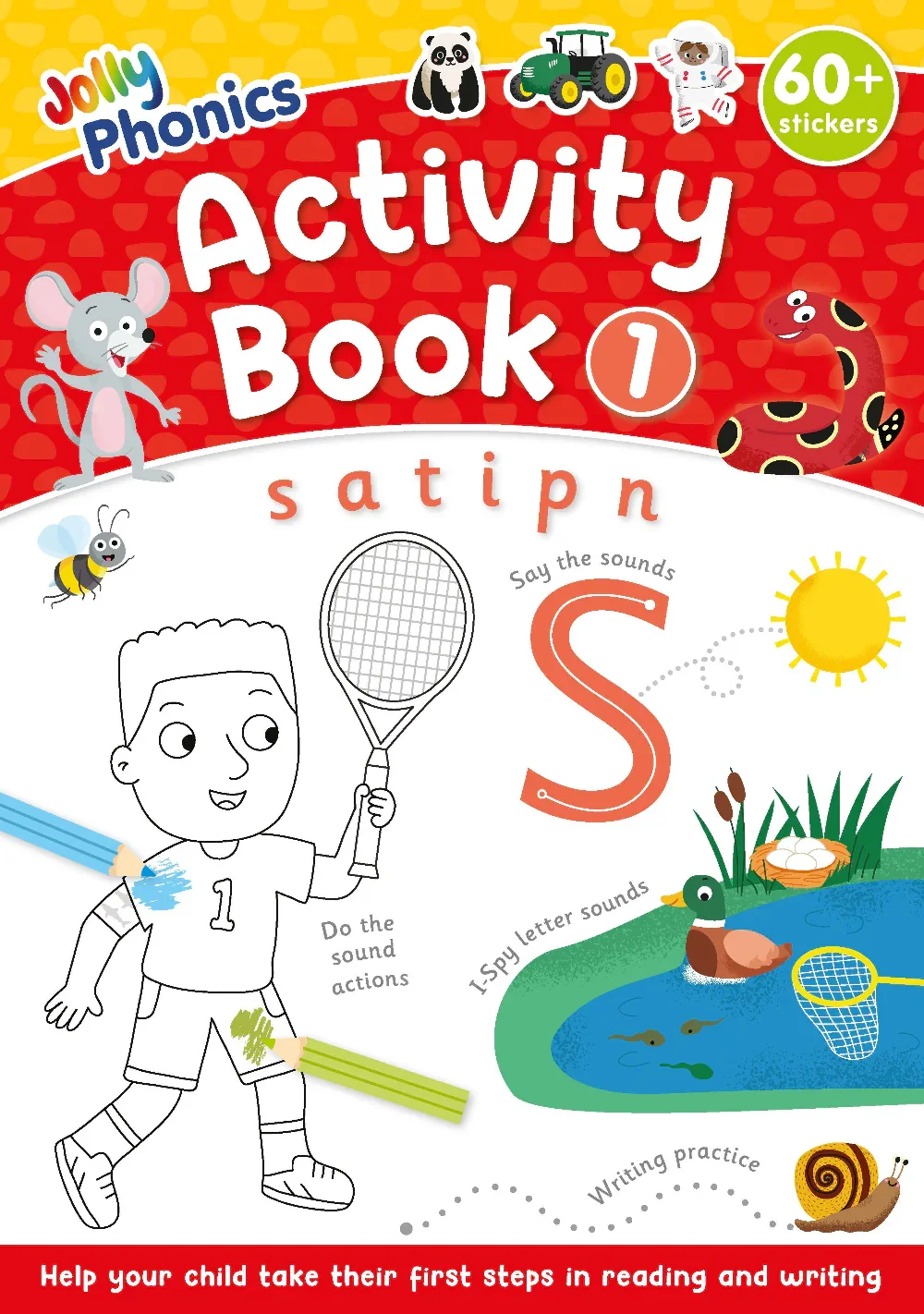
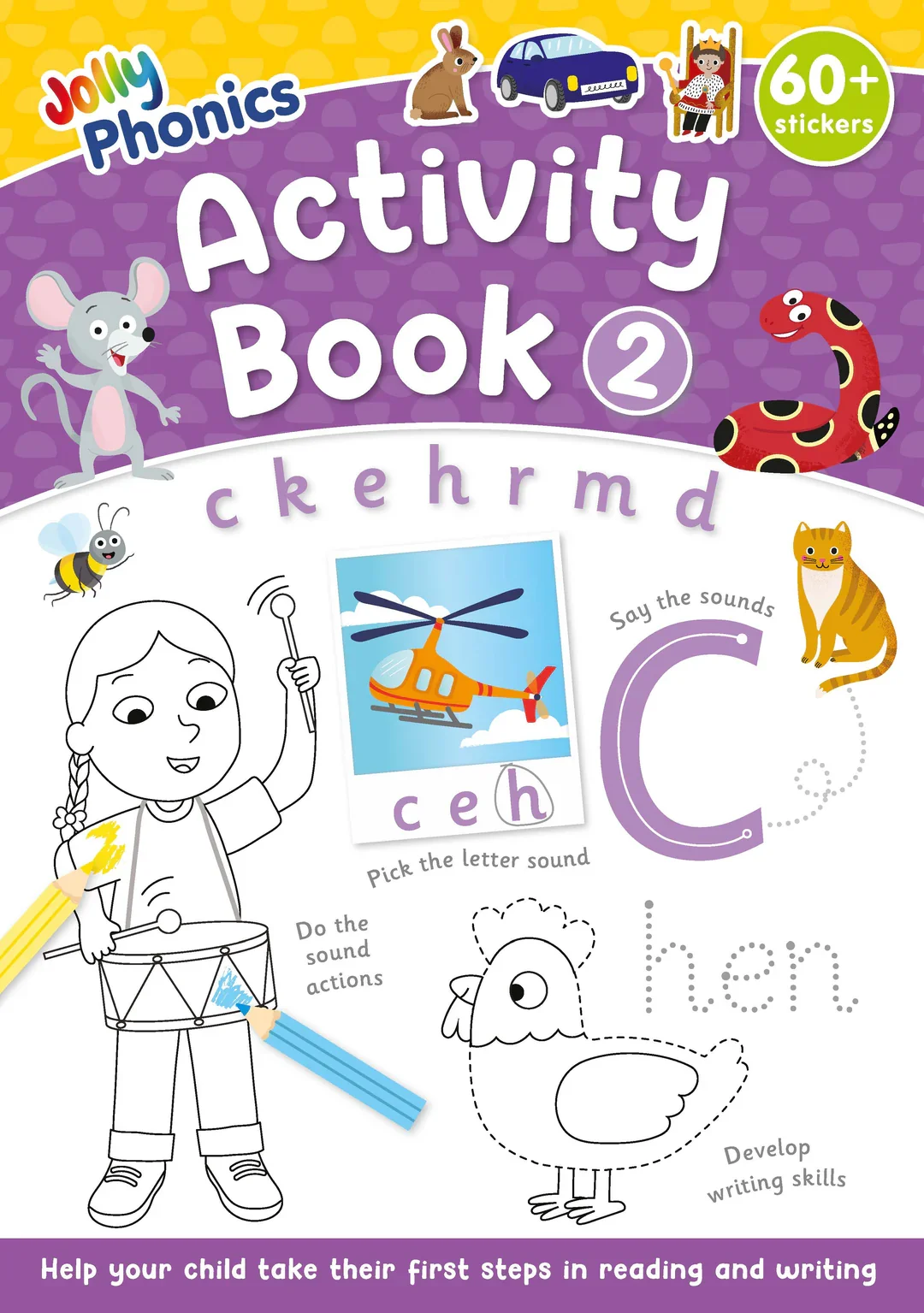
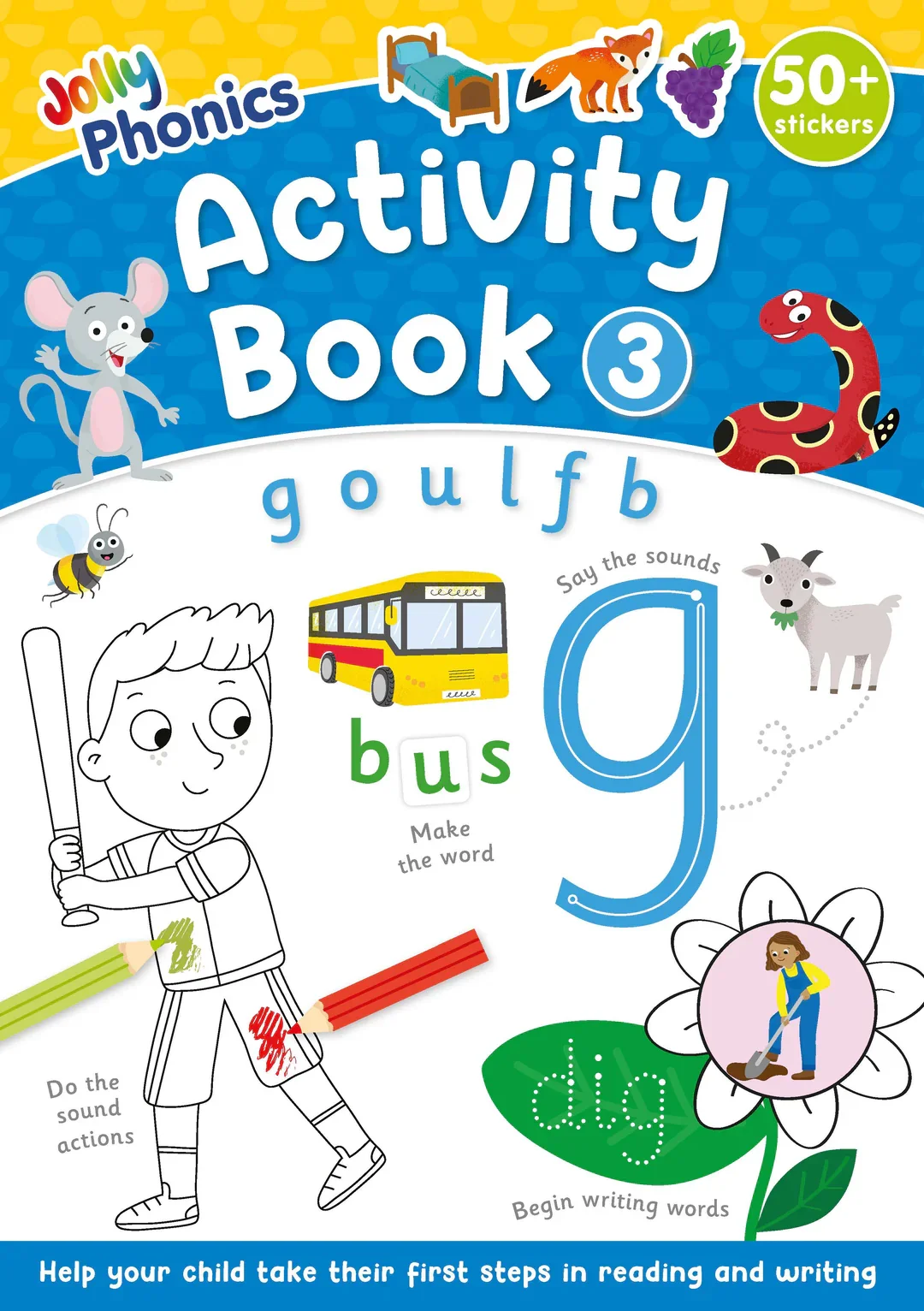
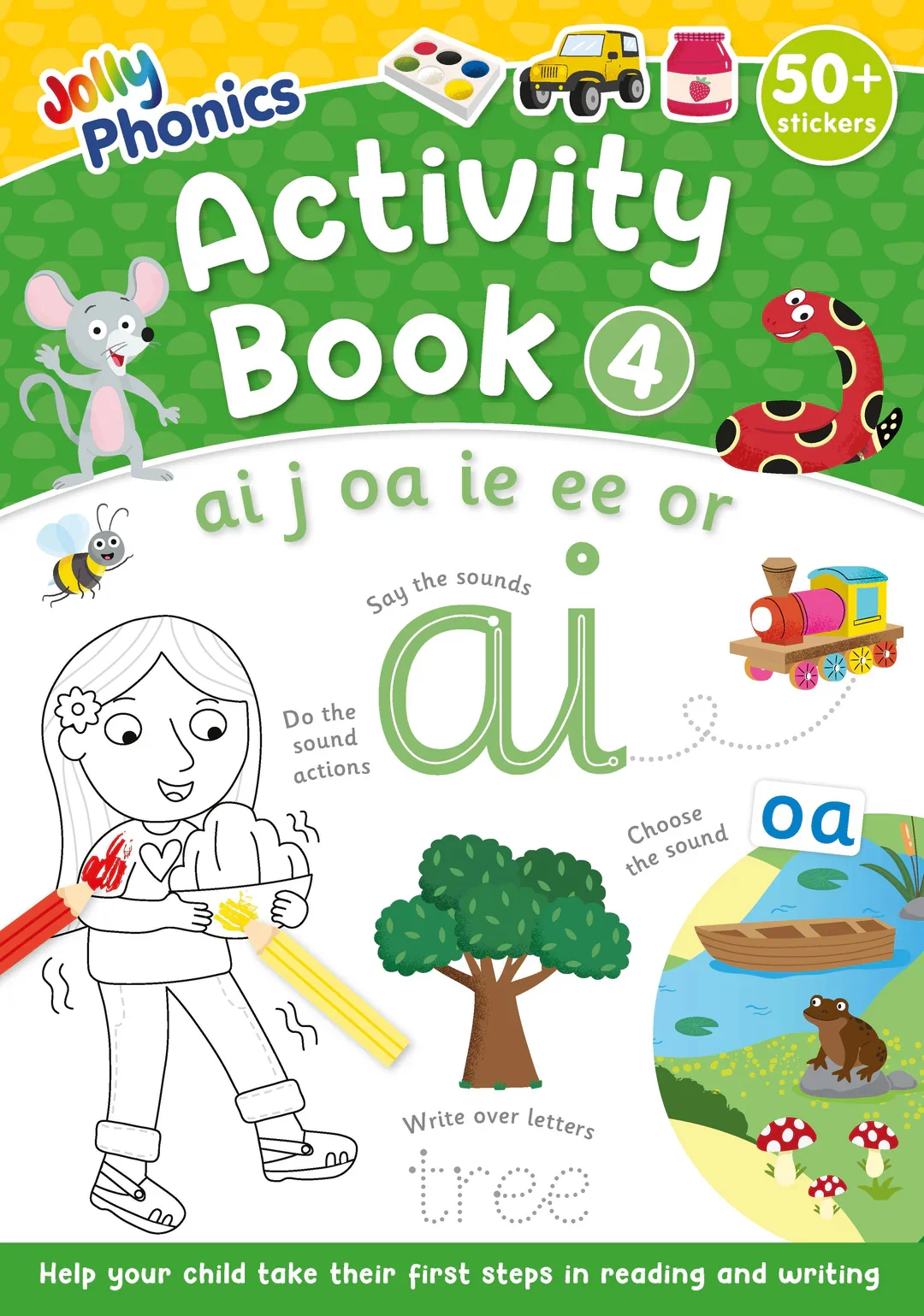
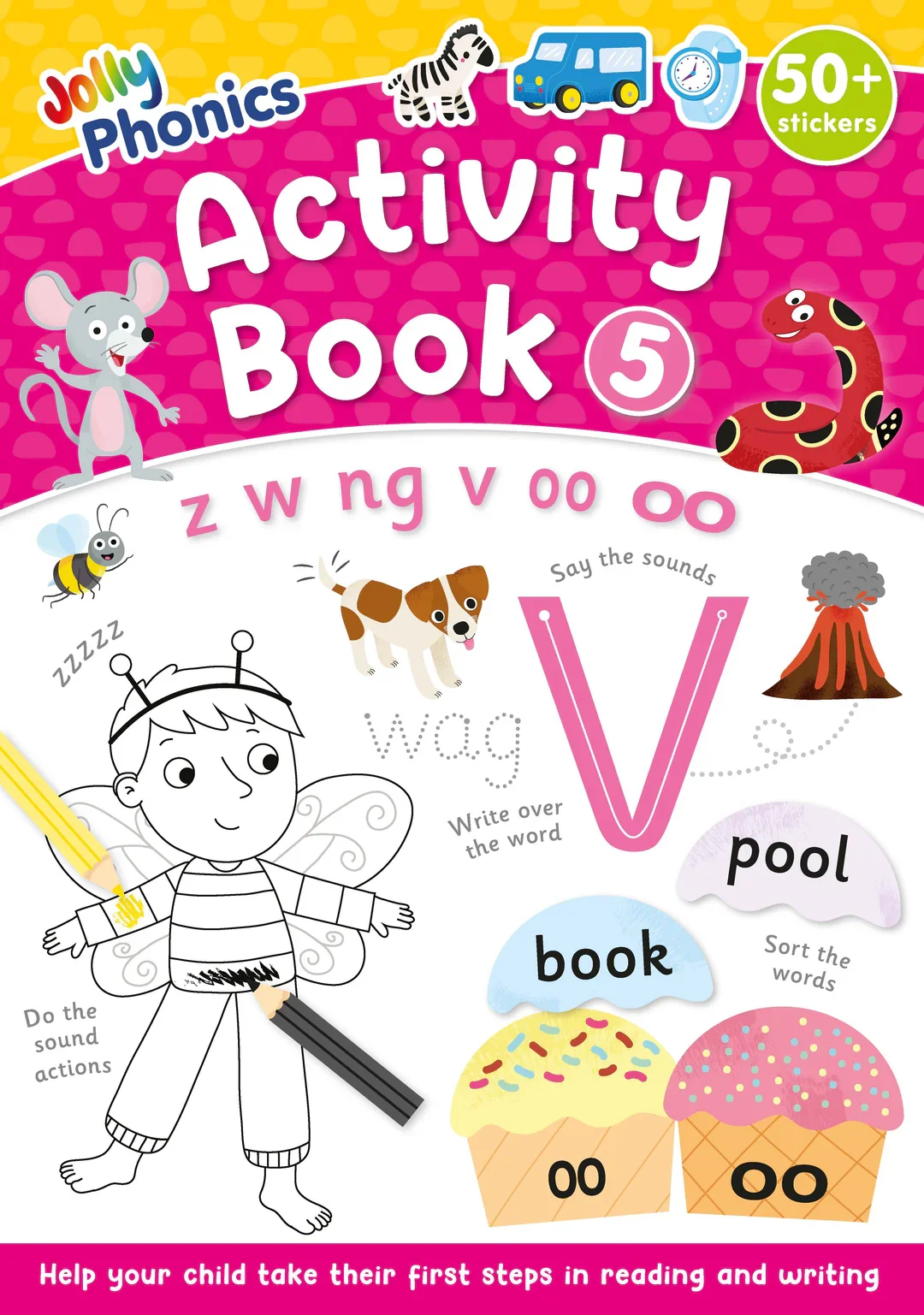
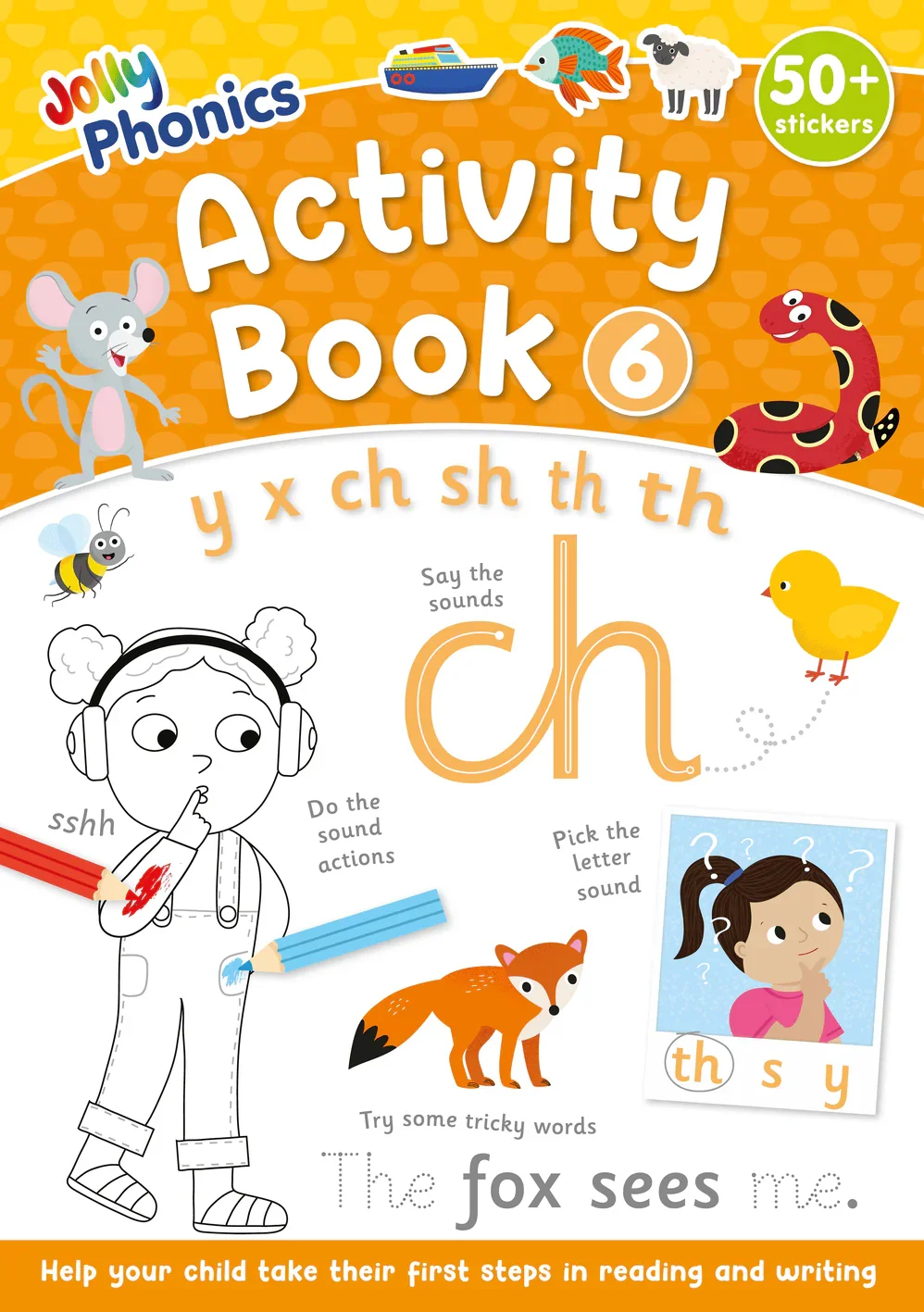
Covers can be tricky to get right, even when you have agreed on some initial ideas. Our early cover ideas were submitted to the client during the prototyping stage, but we needed to get a feel for the series before moving forward. New cover artwork was commissioned for each book once the internal artwork was complete.
We used one artist across all seven covers to maintain a clean, consistent style, and worked closely with Jolly Learning to establish colours, fonts and the final cover text for each title in the series.
Final thoughts
This was a mammoth project! Multiple books, one very large schedule, and more than 1,000 pieces of artwork. Of course, things didn’t always run to plan, and there were issues to resolve and problems to fix, but that’s to be expected with a multi-book series.
As ever, GMC’s editors and designers worked tirelessly as a close-knit team to deliver the project on time and to the highest specifications.
And the result, we think, is rather wonderful!